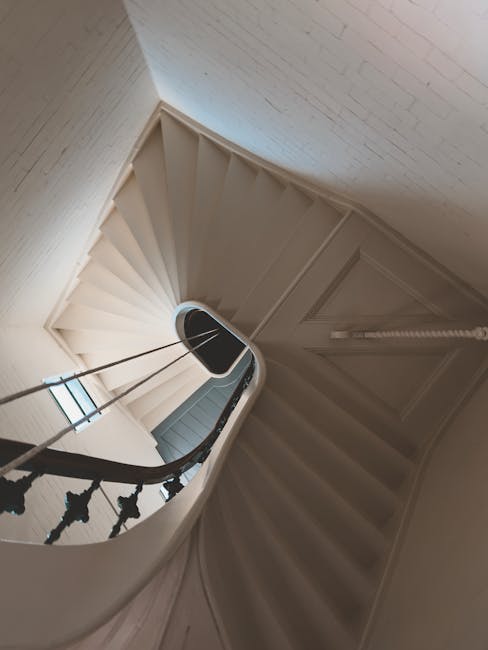
Victorian stairs in SE5: Moving bulky furniture safely
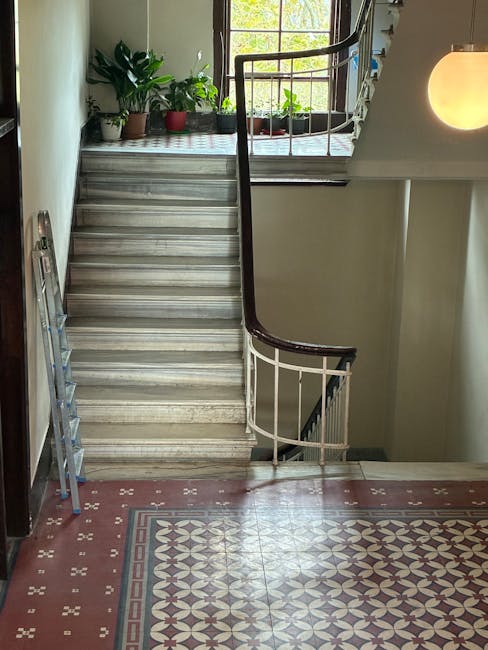
Moving a sofa, wardrobe, or mattress through a Victorian staircase can feel like a puzzle designed by someone with a cruel sense of humour. If you live in SE5, you may already know the type: narrow turns, steep risers, tight landings, old banisters, and a front door that never quite opens as wide as you need it to. Victorian stairs in SE5: Moving bulky furniture safely is really about one thing: getting large items out without damaging the property, the furniture, or your back.
This guide walks through the practical side of the job. You'll see how to assess the stairs, prepare the furniture, choose the right moving method, and avoid the kinds of mistakes that turn a straightforward move into an awkward afternoon. If you're comparing support options, planning a flat move, or just trying to work out whether that bed frame will fit the corner, you're in the right place.
Why Victorian stairs in SE5: Moving bulky furniture safely Matters
Victorian properties in SE5 often have character in spades, but the same features that make them charming can make furniture moves tricky. Stairs may be steeper than modern builds, landings may be tight, and corners can force you to rotate an item at a very specific angle. That's fine for a coffee table. Less fine for a three-seat sofa or a heavy sideboard.
The risk isn't just a scuffed wall, though that's a common headache. It's also the strain on your shoulders, wrists, lower back, and fingers if you try to muscle through it. To be fair, most bulky furniture feels lighter on paper than it does halfway up a staircase. Once the angle changes and the grip starts slipping, reality arrives quickly.
In SE5, many moves also happen around busy residential streets, shared entrances, and older conversions where access is limited. That means timing, parking, and clear routes matter as much as lifting technique. Good planning helps you protect the property, reduce stress, and avoid that awful moment when everyone stands still on the landing, staring at the item and wondering who should say the obvious: it's not going through that way.
If you're handling a broader move, related services such as flat removals, home moves, or furniture removals can be useful when bulky pieces are only part of the job.
Table of Contents
- Why Victorian stairs in SE5: Moving bulky furniture safely Matters
- How Victorian stairs in SE5: Moving bulky furniture safely Works
- Key Benefits and Practical Advantages
- Who This Is For and When It Makes Sense
- Step-by-Step Guidance
- Expert Tips for Better Results
- Common Mistakes to Avoid
- Tools, Resources and Recommendations
- Law, Compliance, Standards and Best Practice
- Options, Methods, or Comparison Table
- Case Study or Real-World Example
- Practical Checklist
- Conclusion
- Frequently Asked Questions
How Victorian stairs in SE5: Moving bulky furniture safely Works
The safest way to move bulky furniture through Victorian stairs is not brute force. It's a sequence: measure, strip down, protect, plan the route, lift correctly, and move in controlled stages. The staircase itself becomes part of the moving plan, not just the obstacle you deal with at the end.
Start by looking at the item and the staircase together. Does the furniture have removable legs, doors, cushions, drawers, or shelves? Can it be split into sections? Could it pass upright, or does it need to go on its side? Will the tighter bend on the stairs force a vertical tilt? These questions sound basic, but they save a lot of guesswork.
Then consider the actual building. Victorian staircases often have a narrow turning point where the stair rail and wall meet in a way that makes even a standard-width armchair awkward. In older SE5 homes, ceiling height, bannisters, and hallway radiators can create one more small obstruction. One small obstruction is enough. Honestly, that's all it takes.
When the route is clear, moving should happen slowly and deliberately. One person guides from the front, another supports from the back, and someone else should ideally be watching for corners, walls, and door frames. Communication matters. Short, clear instructions work best: stop, lift, tilt, rotate, pause. No chatter. No improvising mid-corner.
If the item is unusually heavy or valuable, a professional team with the right equipment can make a real difference. A well-equipped man with a van service or broader removal services option may also include the extra handling needed for difficult stair access.
Key Benefits and Practical Advantages
Handling bulky furniture properly on Victorian stairs gives you more than peace of mind. It has practical, measurable advantages that show up before, during, and after the move.
- Less risk of damage: careful handling reduces knocks to plaster, banisters, doors, flooring, and the furniture itself.
- Lower risk of injury: controlled lifting and sensible team coordination reduce the strain on backs, knees, and hands.
- Better speed overall: a planned approach usually takes less time than repeated failed attempts.
- Less stress in shared buildings: in flats and converted terraces, keeping noise and disruption down matters quite a lot.
- Improved decision-making: once you've measured and planned, you can tell quickly whether a piece needs dismantling, extra help, or storage.
There's also a hidden benefit: confidence. When a move is planned properly, you stop second-guessing every corner. That confidence helps everyone move better. It sounds minor, but it isn't.
For people who are moving a full household, combining furniture handling with packing and boxes or packing and unpacking services can take pressure off the day and reduce the number of loose items in the stairwell.
Who This Is For and When It Makes Sense
This advice is useful for anyone dealing with older staircases and bulky items, but it's especially relevant in SE5 where Victorian conversions, maisonettes, and period terraces are common. If you're moving into or out of a top-floor flat, the staircase may be the main challenge rather than the furniture itself.
You'll find this particularly helpful if you're:
- moving a large sofa, divan bed, wardrobe, or dining table;
- removing furniture from a property with steep or narrow stairs;
- helping a family member relocate from a period flat;
- handling rented property furniture with tight exit routes;
- coordinating a same-day move where time is limited;
- sorting out a single-item collection that still has to come down awkward stairs.
It also makes sense if you're deciding whether to do it yourself or ask for support. If the item is heavy but manageable and the stairway is wide enough, a careful DIY move may work. If the piece is awkwardly shaped, valuable, or likely to snag on corners, professional help is usually the calmer choice. Sometimes the sensible decision is the boring one. That's fine.
If you are comparing vehicle sizes for a fuller move, you might also find removal van, moving truck, and removal truck hire useful depending on how much needs to leave the property in one go.
Step-by-Step Guidance
Here's a sensible process you can follow. It's not glamorous, but it works.
- Measure the item and the route. Check height, width, depth, and any handles or protrusions. Then measure the stair width, landing space, hallway pinch points, and door openings. A tape measure and five minutes can save an hour later.
- Clear the route completely. Remove shoes, mats, pictures, loose cables, and anything else that could trip someone. Open doors fully if possible and prop them safely.
- Protect the property. Use blankets, corner protectors, cardboard, or floor coverings where walls and flooring are vulnerable. Victorian paintwork is often fragile and, well, it shows marks easily.
- Reduce the size of the furniture. Take off legs, cushions, shelves, drawers, or detachable headboards. Wrap small fixings in a labelled bag so you don't lose them mid-move.
- Choose the best carrying position. Some items pass best upright; others need to be tilted or turned. This is where a second pair of eyes helps. You do not want to discover the wrong angle on the top step.
- Assign roles. One person leads and gives instructions. One or two support from below. If there's a longer carry or heavier item, add another spotter.
- Move slowly at corners. Pause before the turn, reposition hands, check the wall clearance, then rotate in small controlled motions.
- Rest before fatigue sets in. Fatigue makes people rush. Rushing makes mistakes. Simple enough, but easy to forget when you're sweaty and halfway up the stairs.
- Check the item once it's out. Look for loose joints, torn fabric, or scratched feet before loading it. If it needs storage or later delivery, wrap it properly straight away.
A small tip from real-life moves: if the item feels too close to the wall, stop sooner than you think you need to. The last few centimetres are where most accidental scrapes happen.
Expert Tips for Better Results
Good stair moves are usually won or lost before anyone touches the furniture. These small details make a genuine difference.
- Photograph the route first: a quick photo of the staircase, landing, and doorway can help you spot tight spots before moving day.
- Use gloves with grip: they help with traction and reduce hand fatigue, especially on leather, polished wood, or fabric wraps.
- Keep hardware together: screws, bolts, and fittings should go in labelled bags taped to the item or placed in a clearly marked box.
- Wrap corners generously: corners are where the bruises happen, both to walls and furniture.
- Move with one voice: the lead person should call the shots. Too many instructions can make an awkward lift worse.
- Don't force a bad fit: if it feels impossible, it probably is. Dismantling or changing the route is usually better than forcing it through and hoping for the best.
One small, practical habit: take a breath before each major turn. It sounds almost laughably simple, but the pause gives everyone the same rhythm. And rhythm matters on stairs more than people expect.
For larger or more awkward items, especially if they form part of a full household relocation, a company that already handles house removals or house removalists will usually be better placed to plan around difficult access than a basic lift-and-load arrangement.
Common Mistakes to Avoid
Most stair-related furniture damage happens because someone assumes the job will be simpler than it is. Fair enough, people are trying to save time. But these mistakes come up again and again.
- Skipping measurements: "It'll fit" is not a plan. Measure the item and the staircase.
- Forgetting the landing: many people measure the stairs and ignore the turn, which is often the real problem.
- Using too few people: two people may be enough for a light chair, not for a wardrobe or marble-topped table.
- Dragging instead of lifting: dragging scratches floors and strains joints.
- Leaving packaging in place: bulky packaging can make a manageable item awkward, especially through narrow gaps.
- Not protecting the route: one unprotected wall corner can turn a careful move into an expensive repair.
- Trying to save the last minute: last-minute stair moves are when people grab, twist, and risk injury.
There's also the classic mistake of assuming old furniture must be moved as one piece because that's how it arrived. Not necessarily. In a lot of cases, it's better to take it apart, move it safely, and rebuild it on the other side. Slightly less dramatic. Much less risky.
Tools, Resources and Recommendations
You do not need a warehouse of gear, but the right tools help a lot. The best setup is simple and purposeful.
| Tool or item | What it helps with | Why it matters on Victorian stairs |
|---|---|---|
| Measuring tape | Checking item and route dimensions | Helps avoid impossible turns and wasted effort |
| Furniture blankets | Protecting surfaces | Reduces chips, scratches, and scuffs on tight corners |
| Gloves with grip | Safer handling | Improves control when items are awkward or slippery |
| Straps or lifting aids | Supporting stable lifts | Helps distribute weight more evenly |
| Cardboard or floor runners | Floor protection | Useful on wood floors, carpets, and narrow hallways |
| Small tool kit | Removing legs and fittings | Makes dismantling quicker and cleaner |
For many moves, the real resource is not a tool at all but planning time. A short pre-move walkthrough, even 10 minutes in daylight, can reveal what the hallway looks like in practice rather than in your head. That matters more than people think.
If you need a service that can handle single items or collections, furniture pick up and furniture removals are worth considering when the job is mostly about bulky pieces rather than a full household move.
Law, Compliance, Standards and Best Practice
For any move involving heavy lifting, best practice in the UK is straightforward: avoid unnecessary manual handling, reduce risk where you can, and use suitable equipment and enough people for the task. You don't need to turn a home move into a legal seminar, but you do need to take safety seriously.
In practical terms, that means assessing the load, planning the route, and not asking one person to do the work of three. If a piece is too awkward, too heavy, or too unstable, split it down or call in help. The same goes for shared entrances, communal hallways, and landlord-managed buildings where damage or obstruction can create avoidable problems.
It's also sensible to work in line with the mover's own safety procedures, insurance arrangements, and terms. If you want to understand how a business approaches risk and service standards, you can review its health and safety policy, insurance and safety information, and terms and conditions before booking. Those pages tell you more than a glossy sales pitch ever will.
For customers who care about privacy, payments, and data handling, it can also be reassuring to look at payment and security and privacy policy. Not because every move is high drama, but because good service should feel orderly from the start.
Options, Methods, or Comparison Table
There isn't one perfect approach for every Victorian staircase. The right method depends on the furniture, the access, the time available, and how much risk you're willing to take on yourself.
| Approach | Best for | Pros | Trade-offs |
|---|---|---|---|
| DIY lift with friends | Smaller bulky items and straightforward stairs | Low cost, flexible timing | Higher risk if the item is heavy or awkward |
| Partial dismantling first | Wardrobes, beds, tables, shelving units | Often the safest way to reduce size | Takes time and requires tools |
| Professional moving support | Large, valuable, or difficult items | Better handling, more experience, less physical strain | Higher cost than a DIY attempt |
| Storage first, move later | Staged moves, renovations, delayed access | Creates breathing room | Extra step and extra planning |
For a lot of SE5 properties, the best solution is a hybrid one: dismantle what you can, protect the route, and bring in help for the heavier items. That middle path is often calmer and cheaper than trying to do everything yourself and repairing damage later. Truth be told, it's usually the wiser route.
If you're moving a mix of items, pages like removals, removal companies, and man and van can help you understand which style of support fits the scale of the move.
Case Study or Real-World Example
Imagine a typical SE5 flat in a converted Victorian terrace. The furniture includes a two-seater sofa, a double bed frame, a chest of drawers, and a heavy bookcase. The stairwell is narrow, the landing turns sharply, and the front door opens close to the first step. Nothing extreme, but enough to make casual carrying a bad idea.
The move goes better once the team stops thinking of it as "four items" and starts thinking of it as "four route problems." The bed frame is dismantled first. The sofa cushions come off, then the feet. The bookcase gets emptied completely. One person walks the route ahead of each item, checking the corner before each turn. The hall walls are protected with blankets, and the stair edges are kept clear.
What changes most is the pace. No rushing, no tugging, no "just a little bit more." The bookcase takes a pause halfway down when the weight shifts. A small adjustment, a reset of the grip, and then it moves again. A bit slower, yes. But safer. Cleaner. No wall damage, no bent bracket, no end-of-day panic.
That's the reality of moving bulky furniture safely on Victorian stairs: success usually looks uneventful. A calm move is a good move. It's not exciting, but you'll be glad of the boring version afterwards.
Practical Checklist
Use this before you start.
- Measure the furniture and the staircase route.
- Check all turns, landings, door widths, and ceiling clearances.
- Clear the stairwell, hallway, and entrance area.
- Protect walls, floors, and corners with blankets or coverings.
- Remove detachable parts such as legs, cushions, shelves, and drawers.
- Pack screws and fittings in labelled bags.
- Assign one lead person to give instructions.
- Wear sensible footwear and grip gloves.
- Use enough people for the weight and size of each item.
- Pause before corners and turns rather than forcing the movement.
- Stop if the lift feels unsafe or unstable.
- Check items for damage before loading them into the vehicle.
If the move includes an especially delicate piece, such as a grander upright instrument or an awkward antique, services like piano removals can provide a better benchmark for careful handling than a generic lift.
Get a free quote today and see how much you can save.
Conclusion
Victorian stairs in SE5 can make bulky furniture moves feel harder than they should be, but the challenge is manageable with the right approach. Measure first, dismantle where possible, protect the route, and move slowly with clear communication. That simple framework is often enough to turn a stressful job into an orderly one.
If you're dealing with a larger move, tighter access, or items that really shouldn't be manhandled on your own, it makes sense to choose support that matches the property rather than fighting the staircase all afternoon. That's the real secret here: respect the stairs, and they stop being the enemy.
And if you do the job calmly, carefully, and with a bit of patience, the old staircase usually behaves itself. Usually.
Frequently Asked Questions
How do you move bulky furniture safely down Victorian stairs?
Measure the furniture and the stair route first, remove detachable parts, protect the walls and floors, and move slowly with a clear lead person giving instructions. If the item is too heavy or awkward, dismantle it or bring in help.
What makes Victorian stairs harder than modern stairs?
They are often steeper, narrower, and more likely to have tight landings or awkward turns. In older SE5 homes, bannisters, radiators, and narrow hallways can make large furniture especially difficult to angle through.
Should I remove the legs from a sofa or bed before moving it?
Yes, if the design allows it. Removing legs, cushions, slats, or headboards can reduce the size and weight of the item, making it much safer to move through narrow staircases.
How many people do I need for bulky furniture on stairs?
It depends on the item, but two people is often the bare minimum for something awkward. Larger items usually need at least three people so one can guide, one can support, and one can spot obstacles.
What is the safest way to avoid scratching walls?
Use protective coverings on vulnerable corners, keep the item as steady as possible, and pause before turns. Scratches usually happen when people rush the final few inches around a landing or doorway.
Can all furniture be moved through Victorian stairs?
Not always. Some pieces are simply too large, too rigid, or too valuable to risk on a tight staircase. In those cases, dismantling, alternative access, or staged removal may be the better answer.
Is it better to carry furniture upright or on its side?
It depends on the shape of the item and the route. Some pieces fit best upright, while others need to be tilted or turned. The right position is the one that clears the staircase without putting strain on the item or the movers.
What should I do if the furniture gets stuck on the landing?
Stop immediately. Don't force it. Reset your grip, reassess the angle, and look for a different tilt or route. If it still will not move safely, dismantling the item or getting extra help is the sensible next step.
Do I need professional help for one large item?
If the item is heavy, expensive, awkwardly shaped, or going through a tight Victorian staircase, professional help can be well worth it. One difficult item can cause as much trouble as a whole room of boxes.
What kind of service is best for bulky furniture in SE5?
That depends on the job size. For a single large item, a man and van style move may be enough. For a fuller property move, broader removal services or house removals are often more suitable.
Can bulky furniture be stored instead of moved immediately?
Yes, if timing or access is a problem. Short-term storage can be useful when you are waiting for keys, managing renovations, or spacing out a move so that the staircase challenge is easier to handle later.
What should I check before booking a moving team?
Check the company's approach to safety, insurance, pricing, and terms. It also helps to understand how they handle access issues and whether they have experience with narrow staircases and period properties.