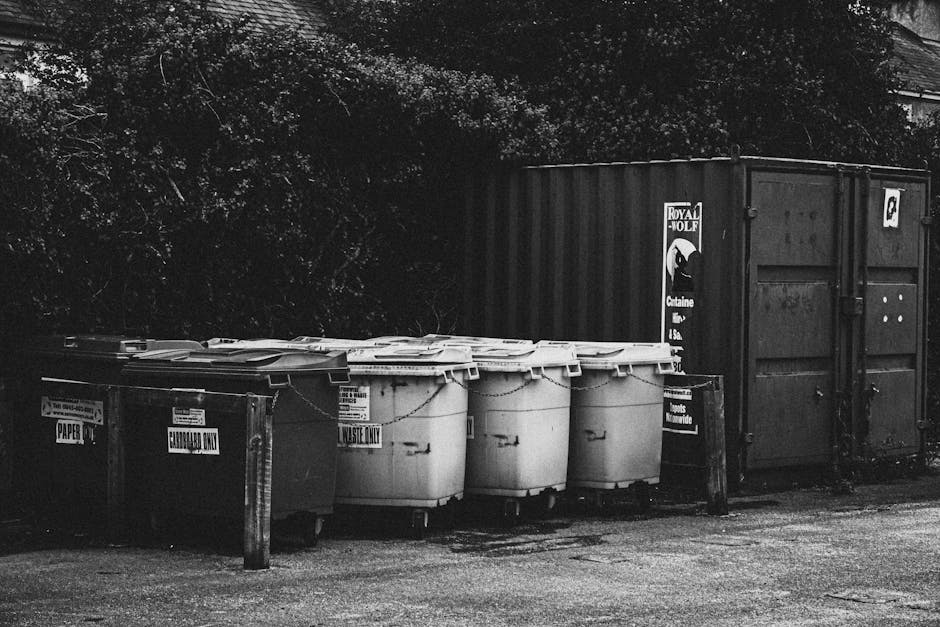
Waste disposal law in Camberwell: Avoid fly-tipping fines
If you are clearing a flat, replacing furniture, or getting rid of building waste, the rules around waste disposal law in Camberwell can feel surprisingly unforgiving. One careless decision - leaving bags beside a skip, handing rubbish to the wrong person, or assuming someone else will "sort it out" - can lead to fly-tipping fines and a lot of avoidable stress. Truth be told, most people do not mean to do the wrong thing. They are just busy, rushed, or trying to save a bit of money.
This guide explains the law in plain English, what fly-tipping means in practice, why it matters in Camberwell, and how to dispose of household, garden, bulky, and business waste properly. You will also find a step-by-step process, a practical checklist, and a few real-world examples that make the rules easier to follow. If you want a smoother move or clearance, it can also help to use a service such as man and van support in Camberwell or check the company's recycling and sustainability approach before you book.
Let's keep this simple. The law is there to stop waste from ending up on pavements, in alleyways, and on local streets where it becomes a nuisance, a hazard, and an expense for everyone else. And yes, the fines can bite.
Table of Contents
- Why waste disposal law in Camberwell matters
- How waste disposal law works
- Key benefits and practical advantages
- Who this is for and when it makes sense
- Step-by-step guidance
- Expert tips for better results
- Common mistakes to avoid
- Tools, resources and recommendations
- Law, compliance, standards, or best practice
- Options, methods, or comparison table
- Case study or real-world example
- Practical checklist
- Conclusion
- Frequently asked questions
Why Waste disposal law in Camberwell: Avoid fly-tipping fines Matters
Waste rules matter because they protect neighbours, public spaces, and the people who collect and process rubbish. In an area like Camberwell, where streets can be busy and space is limited, even a small pile of dumped waste can quickly become a bigger issue. A mattress left by the kerb, a few black bags beside a bin, or a van load of renovation debris tipped in the wrong place can cause complaints very quickly.
Fly-tipping is not just an eyesore. It can attract vermin, block pavements, create hazards for children and older residents, and place a burden on councils and property owners. It also creates a paper trail headache if waste is traced back to you. That is the part many people underestimate. If your rubbish is found dumped and linked to your property or business, you may need to explain why it ended up there.
There is also a trust issue. If you hire someone to remove waste cheaply and they dump it elsewhere, you may still face consequences if you did not take reasonable steps to check who they were. A bargain that looks fine on Tuesday can become very expensive by Friday. That is not scare talk; it is just the reality of waste duty of care.
For homeowners, tenants, landlords, and business owners alike, understanding the basics saves money and embarrassment. It also makes moving day or clearance day much calmer. If you are planning a larger property move, it may help to arrange it alongside home moves or flat removals so waste, packing, and transport are handled in a more organised way.
How Waste disposal law in Camberwell: Avoid fly-tipping fines Works
At a practical level, waste disposal law in the UK places a duty on people to dispose of waste properly and to use legitimate carriers and facilities. In everyday terms, that means you should know what you are throwing away, who is taking it, and where it is going. If you hand waste to someone else, you should be confident they are authorised to carry it.
For most readers, the core idea is straightforward: you must not dump waste illegally, and you should take reasonable care that your waste is passed to the right person or facility. That applies whether you are clearing out a garage, moving home, emptying an office, or replacing furniture. It is the same principle, even if the pile looks different.
Camberwell residents often face three common situations:
- household waste after decluttering or moving
- bulky waste such as beds, wardrobes, or old sofas
- construction or renovation waste from DIY work
Each one needs a sensible disposal route. Some items can be reused or donated, some can be recycled, and others need specialist handling. The mistake is assuming that "taking it away" is the same as "disposing of it legally". It isn't. Not even close, really.
If you want support that keeps the process tidy and transparent, look for clear service information, a sensible booking process, and visible details about insurance and safety such as those set out on insurance and safety information and the company's health and safety policy. Those pages are often a useful sign that the operator takes responsibilities seriously.
Key Benefits and Practical Advantages
Following the rules is not just about avoiding a fine, although that is a very good reason. It also makes the whole job easier. Once you have a proper disposal plan, the process stops feeling like a scramble and starts feeling manageable.
The main benefits include:
- Lower legal risk: you reduce the chance of fly-tipping penalties or enforcement action.
- Less stress: there is no last-minute panic about where to put bags, furniture, or rubble.
- Cleaner property handover: useful for landlords, sellers, tenants, and anyone ending a lease.
- Better recycling outcomes: more waste can be separated and diverted from landfill.
- Safer spaces: less clutter around entrances, shared hallways, and footpaths.
There is a hidden benefit too: better decision-making. Once you understand the rules, you are less likely to be pressured by vague offers like "I can take it off your hands, cash only." That sort of line should raise eyebrows. If someone cannot explain where the waste will go, that is a problem.
In practice, many Camberwell residents find that planned disposal is cheaper than cleaning up a mess later. It may also pair well with removal services if you are already arranging transport for a move or clearance, because it helps consolidate jobs into one organised visit.
Who This Is For and When It Makes Sense
This topic is relevant to far more people than you might think. Waste law is not just for builders and businesses. It touches everyday life all the time.
You should pay close attention if you are:
- moving home and clearing unwanted items
- renovating a kitchen or bathroom
- getting rid of broken furniture or appliances
- running a shop, office, or small business
- managing a rental property or a student let
- helping a relative downsize or clear a house
It also makes sense if you simply want a quicker, cleaner, more predictable way to dispose of waste without crossing any legal lines. That is especially true in shared buildings where stairwells, bins, and access times matter. Anyone who has tried moving a sofa down narrow Camberwell steps on a rainy evening will know how quickly a simple task becomes a logistical puzzle.
For smaller loads, a removal van or man with van arrangement may be enough. For larger household jobs, you may need removals support or, for more complex clearances, a mix of packing and transport through packing and boxes and packing and unpacking services.
Step-by-Step Guidance
The safest way to avoid fly-tipping fines is to treat waste disposal like a small project. Not glamorous, perhaps, but far better than winging it.
- Sort the waste. Separate general rubbish, recyclables, bulky items, electricals, green waste, and anything potentially hazardous.
- Decide what can be reused. Good furniture, appliances, and household items may be suitable for reuse, resale, or donation.
- Identify the right disposal route. Some items can go with a collection service, some need a licensed waste carrier, and some should be taken to an approved facility.
- Check the provider. Ask clear questions about what they collect, how they handle mixed loads, and whether they operate transparently.
- Get paperwork or confirmation. Keep a booking record, invoice, or written message that shows who took the waste and when.
- Keep access areas clear. Do not block pavements, fire routes, or shared entrances while waiting for collection.
- Follow up. If you are managing a clearance, make sure nothing was left behind in cupboards, lofts, garden corners, or communal bins.
A good rule of thumb is this: if you would not be happy explaining the waste's journey to a neighbour, landlord, or enforcement officer, pause and check again. That sounds a bit blunt, but it works.
If you are comparing removal support, you can also look at a provider's broader approach to service quality through pages like removal companies, removal truck hire, and moving truck options to see whether they are set up for larger, more organised jobs.
Expert Tips for Better Results
After enough clearances and moves, a pattern becomes obvious: the people who plan waste disposal early almost always have the easiest day. Here are the habits that make a real difference.
- Plan waste removal before moving day. Last-minute disposal is where mistakes happen.
- Photograph large loads before collection. It is a simple way to keep a record of what was handed over.
- Keep items separate where possible. Mixed waste is harder to manage responsibly.
- Ask how items will be processed. Reuse and recycling are usually better than a one-size-fits-all approach.
- Watch for suspiciously cheap offers. If the price feels unrealistically low, ask why.
One small but useful habit: label bags or boxes if the load includes mixed items. "Kitchen," "books," "recycling," "broken chair," and so on. It sounds almost too simple, yet it saves time and reduces confusion when a van is being loaded early in the morning and everyone is half-awake.
For business users, especially offices and shops, it can also help to tie waste handling into a planned relocation. That is where office removals and commercial moves are useful, because they reduce mixed handling and give you a cleaner chain of responsibility.
Common Mistakes to Avoid
This is where a lot of people slip up. Not because they are careless, but because waste looks harmless until it becomes a legal problem. A few common mistakes appear again and again.
- Leaving waste beside a bin or skip. If it is not placed correctly, it can be treated as dumped waste.
- Hiring an unverified collector. If they dump the load illegally, you may still be asked questions.
- Assuming all furniture can be left out for collection. Not all bulky items are accepted in the same way.
- Mixing hazardous items with general waste. This can create safety and compliance issues.
- Forgetting about waste in cupboards, lofts, sheds, and garages. These are the places people always miss. Always.
Another common problem is poor timing. If you are leaving a property and the collection service arrives after handover, you may be stuck with waste you no longer have access to move. That is especially annoying in flats or managed buildings, where access windows can be tight. A bit of forward planning avoids all that.
If you are dealing with bulky household items, a dedicated furniture removals or furniture pick-up service may be more suitable than trying to bundle everything into a standard move.
Tools, Resources and Recommendations
You do not need a huge toolkit to manage waste law well. You just need a few sensible habits and the right kind of help.
Useful practical tools include:
- a notebook or phone note listing each item to be disposed of
- photos of the waste before collection
- basic labels for sorting piles or boxes
- a calendar reminder for collection day
- a record of who collected the waste and when
Useful service areas to think about:
- same day removals if you are under time pressure
- student removals for compact, budget-conscious moves with fewer belongings
- house removals for fuller property clearances
- storage if you are not ready to dispose of everything yet
That last one matters more than people expect. Sometimes the best waste decision is not disposal at all, but temporary storage while you decide what stays and what goes. It saves regret. And regret, as we all know, has a way of turning into extra trips and extra cost.
Law, Compliance, Standards, or Best Practice
Without pretending to give legal advice, the safest approach is to follow the general UK waste duty of care principles: keep waste under control, transfer it only to suitable and responsible handlers, and avoid any action that could reasonably be seen as dumping. In plain English, you should be able to show that you acted sensibly.
Best practice usually includes:
- sorting waste before collection
- checking who is taking it
- making sure the collection method suits the waste type
- keeping records of the transaction
- avoiding informal cash-only arrangements with no paper trail
For businesses, the stakes are higher because waste handling should fit into day-to-day operations. A shop refit, an office relocation, or a storage clearance can create enough material to cause trouble if it is not managed properly. If you are in that position, it may be worth comparing service arrangements through office relocation services or removal services that are built for structured, documented handling.
It is also wise to check the provider's terms and policies. A company that explains its terms and conditions and privacy policy clearly is usually more transparent overall. Not always perfect, but usually better organised.
Options, Methods, or Comparison Table
Different disposal methods suit different jobs. Here is a simple comparison to help you decide what fits best.
| Method | Best for | Pros | Watch-outs |
|---|---|---|---|
| Self-sorting and drop-off | Small loads and reusable items | Good control, useful for separating materials | Time-consuming, transport needed |
| Bulky waste collection | Furniture, mattresses, large household items | Convenient, less lifting | Check item limits and collection rules |
| Licensed removal service | Mixed loads, moves, and clearances | Flexible, often best for larger jobs | Choose a provider carefully |
| Storage before disposal | When you are undecided | Buys time, reduces rushed decisions | Not a disposal solution on its own |
To be fair, the "best" method is the one that matches your timeline, the type of waste, and the amount of lifting you can realistically handle. A tiny job does not need a giant truck. A large clearance does not need guesswork. Simple as that.
Case Study or Real-World Example
Imagine a Camberwell couple downsizing from a two-bedroom flat. They have a sofa, a broken desk, several bags of mixed clutter, and a few boxes of books that are too heavy to leave until the end. They are trying to finish everything in one weekend because the handover is on Monday morning.
At first, they think about leaving the rubbish outside the building after dark and dealing with it later. It sounds easier. But then they remember the shared entrance, the neighbours, and the fact that the building manager has been strict about access before. Instead, they split the job: keep the books, donate the usable furniture, arrange a proper collection for the broken items, and use a van service for the rest.
By Sunday afternoon, the flat is clear, the hallway is clean, and there is no risk of being accused of dumping waste in the wrong place. More importantly, there is no awkward call on Monday asking who left a pile of bags outside the building. That is the kind of small win that saves a lot of hassle.
In many cases, the same principle works for offices too. An orderly clearance through commercial moves or office removals can prevent waste from being left behind in storage cupboards, printer corners, or that mysterious back room nobody opens until the last minute.
Practical Checklist
Use this checklist before you hand over any waste or book a clearance. It is short, but it covers the basics that matter.
- Have I sorted the waste into clear categories?
- Do I know which items can be reused or recycled?
- Have I checked that the collector is suitable for the waste type?
- Have I kept a written record of the booking or handover?
- Have I avoided leaving items on the street, beside bins, or in shared hallways?
- Do I know what will happen to bulky items, electricals, or mixed loads?
- Have I checked access times, parking, and lifting restrictions?
- Have I made sure nothing is left in cupboards, lofts, sheds, or under beds?
- Is the chosen disposal method realistic for my budget and timeline?
- Would I be comfortable explaining this disposal plan to a landlord, neighbour, or inspector?
If the answer to any of those is no, pause and tidy up the plan. It is much easier to spend ten minutes checking now than ten days dealing with a complaint later.
Get a free quote today and see how much you can save.
Conclusion
Waste disposal law in Camberwell is really about one simple thing: proving you handled waste responsibly. Once you understand that, the rest becomes much easier. Sort the load, choose a sensible collection or removal method, keep a record, and avoid anything that looks too casual or too cheap to be true.
That approach protects you from fly-tipping fines, keeps local streets cleaner, and makes home moves, office clearances, and bulky item disposal feel far less chaotic. If you are already planning a move or clearance, linking waste handling with the rest of the job can save time, money, and a fair bit of back-and-forth. A tidy plan really does beat a rushed one.
And if there is one final thought to carry with you, it is this: good waste disposal is not about being perfect, just careful. Careful is enough. Usually.
Frequently Asked Questions
What is fly-tipping in simple terms?
Fly-tipping is the illegal dumping of waste in a place where it should not be left. That could be a street, alley, verge, communal area, or private land without permission.
Can I leave rubbish next to a bin if it does not fit inside?
Usually no. If waste is left beside a bin or collection point without proper arrangement, it may be treated as dumped waste rather than collected waste.
Am I responsible if a waste carrier dumps my rubbish illegally?
You may still face questions if you did not take reasonable steps to check who was collecting it. That is why using a trustworthy, transparent provider matters.
Do bulky items like sofas and mattresses need special handling?
Often they do. Bulky items are common in household clearances, but they still need to be removed through a proper route, not just abandoned outside.
What records should I keep when I dispose of waste?
Keep a booking confirmation, invoice, message history, or any document showing who took the waste, when they took it, and what was collected if possible.
Is it cheaper to do it myself or hire help?
It depends on the load, access, time available, and vehicle requirements. Smaller jobs can be cheaper to manage yourself, but larger clearances are often easier and safer with help.
What should businesses in Camberwell be most careful about?
Businesses should be especially careful about mixed waste, packaging, office furniture, and keeping a proper record of disposal. Clear documentation is often the difference between tidy compliance and messy confusion.
Can I store waste temporarily if I am not ready to dispose of it yet?
Yes, in some cases storage is a practical bridge between sorting and disposal. It gives you time to decide what stays, what goes, and what can be reused.
How do I avoid hiring the wrong waste collector?
Ask clear questions, look for transparent service details, and avoid vague or overly cheap offers. If the answer to "where does it go?" is vague, that is a red flag.
What is the best way to avoid fly-tipping fines?
Sort your waste, use a proper collection method, keep records, and never leave items in unauthorised places. Planning ahead is the simplest and most effective protection.
Does waste disposal law apply to tenants as well as homeowners?
Yes. Tenants, landlords, homeowners, and businesses all need to handle waste responsibly. The setting changes, but the duty to dispose properly stays the same.
When should I arrange waste removal before a move?
Ideally before the final moving day. Early arrangement gives you time to sort items properly, reduce clutter, and avoid a rushed decision that could go wrong.