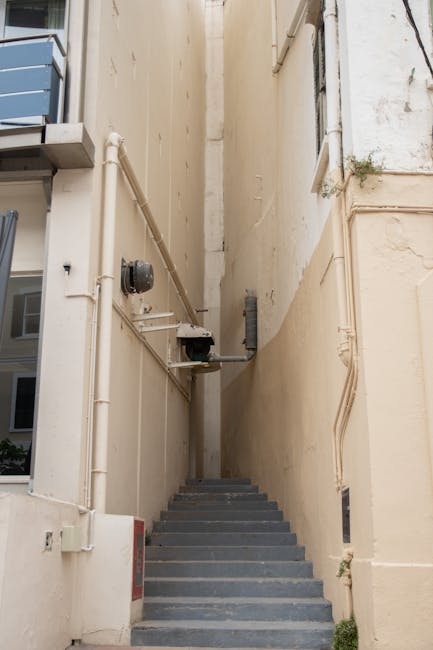
Camberwell Grove moves: Tips for narrow streets and stairs
Moving in Camberwell Grove can be a very different job from a standard house move. Narrow streets, limited parking, awkward corners, and staircase-heavy properties can all slow things down if you are not prepared. The good news is that with the right planning, the right lifting approach, and a clear route strategy, the move becomes much more manageable.
This guide brings together practical, real-world advice for moving safely and efficiently in tight access conditions. Whether you are dealing with a top-floor flat, a period conversion, a heavy sofa, or a full household relocation, the goal is the same: reduce stress, protect your belongings, and avoid preventable damage. If you want broader support while planning, you may also find our services overview helpful, especially if you are comparing the right type of removal support for your property.
Below, you will find a step-by-step approach, expert tips, and a practical checklist designed specifically for moves where stairs and narrow access are part of the challenge. A bit of forethought here saves a lot of swearing later. Let's face it, a sofa never becomes narrower on moving day.
Table of Contents
- Why Camberwell Grove moves: Tips for narrow streets and stairs Matters
- How Camberwell Grove moves: Tips for narrow streets and stairs Works
- Key Benefits and Practical Advantages
- Who This Is For and When It Makes Sense
- Step-by-Step Guidance
- Expert Tips for Better Results
- Common Mistakes to Avoid
- Tools, Resources and Recommendations
- Law, Compliance, Standards, or Best Practice
- Options, Methods, or Comparison Table
- Case Study or Real-World Example
- Practical Checklist
- Conclusion
- Frequently Asked Questions
Why Camberwell Grove moves: Tips for narrow streets and stairs Matters
Camberwell Grove and the surrounding streets often present a mix of old housing stock, shared entrances, tight stairwells, and parking that can be awkward at the best of times. That matters because moving is not just about transport; it is about access, handling, timing, and risk management. When a building is difficult to access, every stage of the move becomes more sensitive.
The first issue is physical space. Narrow hallways, sharp corners, low ceilings, and winding stairs can make standard lifting techniques unsafe or ineffective. The second issue is vehicle access. If a van cannot park close enough, every item has to be carried further, which increases fatigue and the chance of damage. The third issue is coordination. In constrained spaces, people need to work in the right order, with clear communication, or the whole move can bottleneck quickly.
That is why local knowledge and careful planning matter. A move that looks straightforward on paper can become complicated once you factor in staircase width, shared entrances, basement access, or a street where stopping for long is difficult. This is also where choosing the right service can make a tangible difference. For larger household moves, house removals in Camberwell are often better suited to narrow-access planning than a casual DIY approach.
Expert summary: the tighter the access, the more important it is to plan the route, reduce item size where possible, and match the move method to the building rather than forcing a one-size-fits-all approach.
How Camberwell Grove moves: Tips for narrow streets and stairs Works
The process works best when you think about the move in layers: access, packing, lifting, carrying, loading, and timing. In a narrow-street or stair-heavy move, each layer affects the next. If one is poorly planned, the whole schedule can slip.
Start with access. Measure doorways, stair landings, bannisters, and any awkward turns. If you know a bed frame has to angle sharply at the second-floor landing, you can prepare for it rather than discovering it halfway through the carry. Next, look at the street itself. Is parking available close by? Will a removal van need to wait nearby and shuttle items? Is there a better time of day to avoid congestion?
Then move to packing. Heavy items should be broken down where possible, loose contents removed, and fragile surfaces wrapped well. If you are still in the planning phase, our guide to packing for your upcoming move gives a useful foundation for making boxes easier to stack and carry.
Finally, consider the human side of the move. Stair carries are tiring. Repeated twisting, overreaching, or lifting without a clear grip can quickly lead to strain. Good technique matters just as much as good equipment. For a plain-English explanation of safer body mechanics, see the basics of kinetic lifting.
Key Benefits and Practical Advantages
Handling a move properly in a difficult access property brings benefits that go beyond convenience. It protects your belongings, reduces disruption for neighbours, and makes the whole day feel far more controlled. That is especially important if you are moving from a flat, a period terrace, or a building with shared stair access.
One of the biggest advantages is fewer damages. Items are less likely to scrape walls, chip corners, or catch on bannisters when they have been measured and wrapped correctly. Another advantage is faster progress. A route that is properly cleared, with the right items dismantled in advance, allows each lift to happen with less hesitation. You also reduce physical strain, which matters if you are carrying more than one load or moving in warm weather.
There is also a confidence benefit. When you know the plan, the day feels less chaotic. That tends to improve decision-making and communication. It is much easier to say, "This wardrobe needs to come apart," when you have already checked the stairwell and seen the problem coming.
Here are the practical upsides most people notice:
- Less risk of wall, floor, and furniture damage
- Safer lifting and carrying for everyone involved
- Faster loading when access is pre-checked
- Fewer delays caused by awkward corners or parking issues
- Better coordination between movers, drivers, and property occupants
If you are deciding between self-managed help and a more structured option, a local man and van in Camberwell can be a sensible middle ground for smaller or moderate moves where access is still tight.
Who This Is For and When It Makes Sense
This approach is relevant if your move includes any of the following: a narrow staircase, a top-floor flat, limited roadside access, a busy street, a large sofa, a mattress, a piano, or multiple heavy boxes. In practice, that covers more moves than people expect.
It is particularly useful for:
- Flat and apartment moves with shared stairwells
- Family homes with older internal layouts
- Students moving in and out of upper-floor accommodation
- Office relocations involving desks, chairs, or filing units
- Single-item moves where the item is heavy or awkwardly shaped
If you are moving out of a compact property, you may want to look at flat removals in Camberwell, since that service type is usually better aligned with stair-based access and shared entrances. For smaller relocations, especially when speed is important, same-day removals in Camberwell can also be relevant, provided access is checked in advance.
This method makes sense whenever the cost of a little planning is far lower than the cost of damage, injury, or repeated lifting. If you have ever watched a sofa pause halfway up a staircase like it has suddenly developed opinions, you already understand the point.
Step-by-Step Guidance
Use this process to prepare a narrow-street or stair-heavy move with less stress and fewer surprises.
1. Survey the route before moving day
Walk the entire path from the property to the vehicle. Check the front door, hallway, stair turns, landings, lift access if available, and the final route to the van. Measure anything that looks questionable. That includes the width of the narrowest doorway and the tightest bend on the staircase.
2. Separate items into move-ready and dismantle-first categories
Not everything should travel in one piece. Beds, wardrobes, some sofas, shelving units, and office furniture often move better once partially dismantled. If you need guidance on mattress and frame handling, our article on moving your bed and mattress is a useful companion read.
3. Pack for smaller carries, not just safer storage
People often pack only for protection, but in a stair-heavy move, you also need to pack for carryability. Avoid overfilling boxes. Use strong, medium-sized boxes for books and dense items. Keep fragile items separated rather than trying to make one heroic mega-box. It never ends well.
If you are still sorting through what to keep, the advice in premove decluttering can help you avoid paying to move things you do not actually want.
4. Protect walls, corners, and shared areas
For stair moves, wall scuffs are one of the most common frustrations. Use covers, blankets, or other suitable protection on high-contact areas. Move one item at a time through tight turns rather than rushing and scraping the corner of every surface in sight.
5. Load heavy items in the right order
Heavy items should go first or be placed where they are easiest to secure, depending on the van layout and the sequence of the day. The main goal is stability. A poorly loaded van causes shifting during transit, which adds another layer of risk before you even reach the destination.
6. Keep communication simple
On stairs, clear instructions matter more than long explanations. Agree on phrases such as "stop," "turn," "lift," and "clear." One person should lead the movement of the item, especially on awkward corners. That reduces confusion and helps everyone move in sync.
7. Finish with a final check
Before leaving, check all rooms, cupboards, under stairs, and communal areas. Make sure nothing has been left behind and that the route is clear. If you need a post-move clean-up reference, our guide to cleaning your home before moving out is a practical final-stage resource.
Expert Tips for Better Results
Small improvements make a big difference in difficult-access moves. The best advice is usually less glamorous than people expect, but it works.
- Remove obstacles before lifting starts. Shoes, mats, bins, and loose bags at the front door all slow things down.
- Use smaller loads. Two safe trips are better than one unstable one.
- Wrap vulnerable edges. Corner protectors and blankets help more than people realise in tight hallways.
- Plan the landing strategy. Stair landings are where many mistakes happen, because turns require a temporary pause and reset.
- Keep fragile and heavy items separate. This makes lifting safer and box handling more predictable.
- Schedule around the street. If possible, avoid times when parking, school traffic, or delivery vehicles create extra pressure.
For particularly bulky furniture, the advice in furniture removals in Camberwell can be especially relevant. Sofas, wardrobes, and dining tables often need more than brute force; they need a route strategy.
If the item is expensive, awkward, or emotionally irreplaceable, the safer route is usually to get help rather than improvising. That is especially true with high-value specialist items such as pianos, where the risk of damage is much higher. Our article on the dangers of DIY piano transport explains why that job deserves more than enthusiasm alone.
Common Mistakes to Avoid
Most moving problems in narrow streets and stairs come from a short list of avoidable errors.
- Not measuring the staircase. Guessing is a poor access strategy.
- Overloading boxes. Heavy boxes are awkward on stairs and more likely to fail.
- Forcing furniture through turns. If an item does not fit cleanly, stop and reassess.
- Ignoring parking restrictions or loading difficulty. A perfect lifting plan is useless if the van ends up too far away.
- Skipping dismantling. If a piece can be safely reduced in size, do it.
- Letting too many people crowd the staircase. Tight access needs clarity, not a committee.
- Using poor lifting technique. Twisting under load is exactly the kind of thing your back remembers later.
One common trap is underestimating the exit move. People often focus on getting furniture out, but the destination can be just as tricky. A second-floor flat with a narrow stairwell on the new property side deserves the same attention as the departure address.
If you want to understand the right way to protect your own body during the job, our guide on solo heavy lifting is worth reading before you attempt anything ambitious on your own.
Tools, Resources and Recommendations
The right tools make narrow-access moves safer and less exhausting. You do not need a warehouse of equipment, but you do need the basics that support controlled movement.
| Tool or Resource | What it helps with | Best use case |
|---|---|---|
| Furniture blankets | Protects surfaces from knocks and scratches | Sofas, wardrobes, tables, stair corners |
| Ratchet straps or tie-downs | Secures items in the van | Heavy furniture, stacked boxes |
| Dolly or hand truck | Reduces manual carrying on level surfaces | Short runs between property and van |
| Gloves with grip | Improves hold and protects hands | Boxes, handles, awkward surfaces |
| Measuring tape | Confirms whether items will fit | Doorways, stair landings, hallways |
| Labels and markers | Keeps box handling organised | Room-specific sorting and priority items |
For move-specific supplies, it is often worth looking at packing and boxes in Camberwell, especially if you want sturdier cartons and a more organised loading process. For temporary overflow, storage in Camberwell can be useful if you need to split the move into stages.
If you are comparing providers, it also helps to review practical details like pricing and quotes, as well as insurance and safety. These are not glamorous topics, but they matter more than people think when stairs and narrow streets are involved.
Law, Compliance, Standards, or Best Practice
For a domestic move, you usually do not need to worry about complex legal steps in the way you might for a construction project or transport business. That said, there are still important standards and expectations worth following.
First, safe lifting is a duty of care issue. Even in a private move, poor handling can cause injury. The sensible approach is to avoid unnecessary manual strain, use suitable equipment, and ask for help with items that are too heavy, too bulky, or too awkward to manage safely. If a stair carry feels unstable, it probably is.
Second, parking and loading should be handled respectfully and lawfully. If you are moving on a street with restrictions, check the local situation rather than assuming you can stop anywhere. That applies especially if a van may need to wait while items are carried downstairs.
Third, insurance and terms matter. A professional mover should be able to explain how belongings are handled, what cover is available, and what the customer needs to do before the move. For a clearer overview of those expectations, see the site's health and safety policy and related support pages.
Fourth, accessibility should be considered properly. If your building has limited access, shared stairways, or any mobility-related constraints, the move should be planned in a way that does not create avoidable obstruction or risk to others. For many customers, that simply means allowing more time and using the right level of assistance.
Best practice, in plain English, is this: plan the route, protect the property, reduce the load, lift with care, and communicate clearly. That formula is boring, but it works.
Options, Methods, or Comparison Table
There is more than one way to handle a move with narrow streets and stairs. The right choice depends on the size of the move, the access conditions, and how much lifting you want to take on yourself.
| Method | Best for | Pros | Limitations |
|---|---|---|---|
| DIY move with friends | Very small loads and easy stair access | Lower upfront cost, flexible timing | Higher physical risk, less structure, more chance of damage |
| Man and van | Small to medium moves with limited access | Useful balance of cost and support | May still require good preparation and some carrying |
| Full removal service | House moves, bulky furniture, difficult stairwells | More support, more coordination, usually less stress | Greater cost than self-managed options |
| Split move with storage | Moves that need staging or delayed delivery | Reduces pressure on move day, useful for tight properties | Requires extra planning and possibly extra handling |
For many households, a local move works best when support is matched to the access challenge rather than the postcode alone. If stairs are the main issue, a structured removal solution often saves time and reduces the risk of damaged furniture or strained backs.
Case Study or Real-World Example
Consider a typical upper-floor flat move from a narrow terraced street. The property has a tight internal staircase, a large two-seater sofa, a bed frame, a mattress, several book boxes, and a few kitchen items. The street has limited space to park a van directly outside, so the team has to work with a short carry distance from the loading point.
The move goes smoothly because the preparation is practical rather than heroic. The bed frame is dismantled before moving day. The sofa is wrapped to protect the fabric and corners. Boxes are kept at manageable weights so they can be handled on the stairs without strain. The heaviest items are moved first while everyone is fresh. The route through the property is cleared. The staircase is treated as a shared working space, not a place to rush.
What makes the difference is not just strength. It is sequencing. The move has a plan, and every person knows their role. There are no last-minute surprises, which is exactly what you want in a narrow-access property.
This kind of situation is common enough that it is worth preparing for in advance. If you are moving a particular item, such as a sofa, mattress, or specialty piece, it can help to look at item-specific advice such as sofa protection tips or bed and mattress moving guidance.
Practical Checklist
Use this checklist before the move starts:
- Measure doorways, stair turns, and the narrowest hallway points
- Confirm where the van can stop and how far items must be carried
- Dismantle large furniture where appropriate
- Pack boxes to a safe, manageable weight
- Label boxes clearly by room and priority
- Protect corners, banisters, and vulnerable surfaces
- Keep walkways clear of shoes, bags, and loose items
- Assign one person to guide movement through tight spots
- Check whether specialist items need extra care or dedicated handling
- Review insurance, safety, and service details before moving day
- Keep essentials separate for immediate access after arrival
- Do a final room-by-room check before departure
If the checklist starts feeling longer than the move itself, that is usually a sign you should get help rather than trying to brute-force it.
Conclusion
Camberwell Grove moves become much easier when you treat narrow streets and stairs as the central planning issue, not an afterthought. Measure carefully, pack sensibly, reduce item size where possible, and choose the right level of help for the property. That approach protects your belongings, lowers physical strain, and keeps the day moving in the right direction.
Whether you are moving a single item, a flat's worth of furniture, or an entire household, the same rule applies: respect the access, and the move becomes far more manageable. If you want a local team that understands the practical realities of stair-heavy and tight-access moves, start by reviewing the available service information and then decide what level of support fits your schedule.
Get a free quote today and see how much you can save.
To discuss your move, ask questions about access, or get help planning the right service, visit our contact page. If you want to understand the people behind the service first, the about us page is a good place to start.
Frequently Asked Questions
How do you move furniture up narrow stairs without damaging walls?
Measure the route first, remove anything that can snag, wrap corners, and use two people to guide larger items slowly. The key is to pause before tight turns rather than forcing the piece through.
What should I do if my sofa does not fit around the staircase?
Stop and check whether the sofa can be dismantled or re-angled safely. If it still will not fit, a professional crew may need to use a different carrying method or recommend an alternative route.
Is it better to hire a man and van for a flat move on Camberwell Grove?
For many small to medium flat moves, yes. A man and van service in Camberwell can be a practical choice when access is tight but the move is not a full household relocation.
How far in advance should I plan a move with narrow street access?
As early as you can. Even a short move benefits from checking parking, staircase width, and furniture dimensions before moving day. The more restricted the access, the more valuable early planning becomes.
Do I need to dismantle beds and wardrobes before moving?
Usually, yes if they are large or awkward to carry. Dismantling reduces risk on stairs and makes narrow doors much easier to manage. It also helps protect the furniture finish.
What boxes are safest for stair moves?
Medium-sized, strong boxes are usually best. Overfilled large boxes are hard to balance on stairs and more likely to fail under pressure.
Can I move a piano myself in a narrow property?
It is generally not recommended. Pianos are heavy, awkward, and easy to damage on stairs. Specialist handling is the safer option, which is why dedicated piano removals in Camberwell exist.
What is the biggest mistake people make on moving day?
Underestimating access. People often plan the packing but not the route. In a narrow street or stair-heavy property, route planning is just as important as wrapping and boxing.
How can I reduce stress if my new place also has stairs?
Arrange the load order in advance, keep essential items separate, and move the largest items first. If needed, split the move over stages or use storage to reduce pressure.
Does insurance matter for local moves with tricky access?
Yes. Tight staircases and awkward access increase the chance of accidental scuffs or knocks. It is sensible to understand what cover is available and what preparation is expected beforehand.
What if I only have one day to move out?
If time is short, focus on clear priorities: essentials first, bulky items next, and anything non-urgent last. A same-day service can help if the move is urgent and access is known in advance.
How do I decide between storage and moving everything at once?
If the property is crowded, the route is awkward, or the new place is not ready, storage can make the move safer and more organised. If everything can be delivered and placed in one go, that is usually simpler. The decision depends on space, timing, and what the stairs will realistically allow.