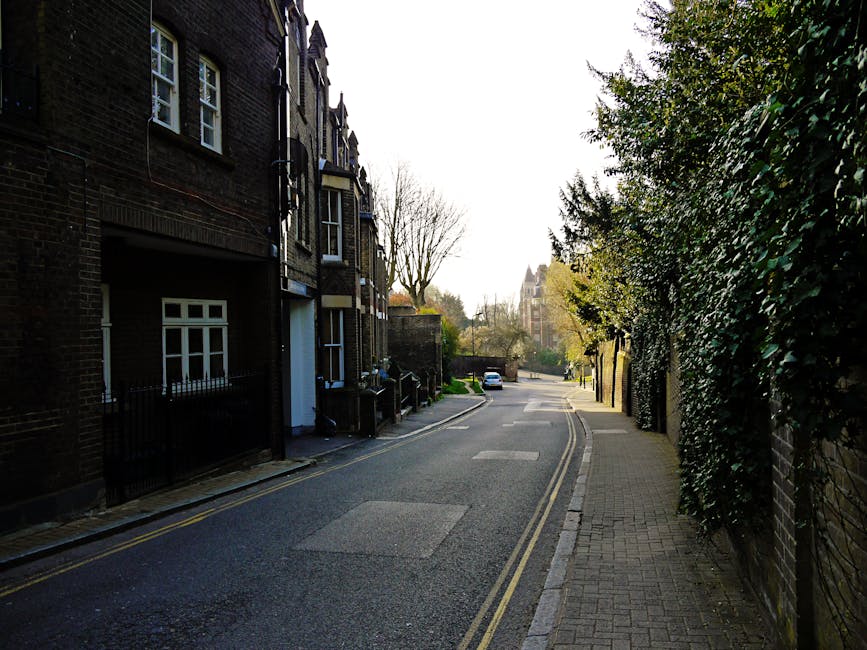
Denmark Hill flat moves: Quick access and parking tips
Moving a flat in Denmark Hill can feel straightforward on paper and a bit less straightforward once a van arrives, a stairwell narrows, and the only sensible parking space is already taken. That is exactly why Denmark Hill flat moves: Quick access and parking tips matter so much. A good move here is not just about lifting boxes; it is about planning access, choosing the right vehicle, timing the approach, and avoiding the small delays that can turn a calm move into a long, slightly sweaty day.
If you are dealing with a top-floor flat, a tight street, shared entrances, or limited kerb space, the difference between an efficient move and a frustrating one often comes down to a few practical decisions made early. In this guide, you will find the kind of local, real-world advice that helps you keep things moving. We will cover access planning, parking tactics, common mistakes, compliance basics, and the best way to prepare your flat so the loading side of the day goes smoothly. For broader support, it can also help to look at flat removals in Camberwell and the wider removal services available locally.
Table of Contents
- Why Denmark Hill flat moves: Quick access and parking tips Matters
- How Denmark Hill flat moves: Quick access and parking tips Works
- Key Benefits and Practical Advantages
- Who This Is For and When It Makes Sense
- Step-by-Step Guidance
- Expert Tips for Better Results
- Common Mistakes to Avoid
- Tools, Resources and Recommendations
- Law, Compliance, Standards, or Best Practice
- Options, Methods, or Comparison Table
- Case Study or Real-World Example
- Practical Checklist
- Conclusion
- Frequently Asked Questions
Why Denmark Hill flat moves: Quick access and parking tips Matters
Denmark Hill has a mix of busy routes, residential streets, apartment buildings, and pockets where parking is easier said than done. That makes access planning one of the most important parts of any flat move. If the van cannot stop close enough to the entrance, every item has to travel further by hand. Simple enough, but the effect on time and effort can be huge.
A short walk from van to front door may not sound dramatic, yet when you are carrying a wardrobe shelf, a mattress, or the third box of books that suddenly feels twice as heavy, every extra metre matters. It is not only about speed. It is about safety, avoiding damage to walls and furniture, and keeping the crew from doing awkward lifts in narrow spaces. Truth be told, that is where a lot of moving-day headaches begin.
Parking also affects how visible and professional the move looks to neighbours and building managers. A vehicle left where it blocks a driveway or sits half on the pavement can create complaints fast. A well-planned stop, by contrast, keeps the day calm and predictable. That calm is worth a lot.
If you are comparing removal support, it may help to understand the scope of local help first through the services overview, or to read more about the team on the about us page. Those pages are useful context if you want to know how a move is usually approached before you book anything.
How Denmark Hill flat moves: Quick access and parking tips Works
The process is really about reducing friction. You start by looking at the access route from the van to the flat, then decide how to park or unload with the least disruption. In practice, that means checking street width, entrance steps, any lift access, and whether there is a safe place for the van to stop without causing a bottleneck.
A good removal team will usually ask questions like:
- How many floors are involved?
- Is there a lift, and is it reliable enough for furniture?
- Can the van park directly outside, or is a short carry needed?
- Are there time restrictions, yellow lines, residents-only bays, or loading bays nearby?
- Is there a concierge, porter, or building manager who needs notice?
Those details matter because a move that looks simple from a map can be surprisingly awkward in real life. A street may seem wide enough, but parked cars, delivery vans, or school-run traffic can change everything. And yes, the weather can make a difference too. A wet morning in south London tends to make cardboard box handling a bit less glamorous, lets face it.
For a typical flat move, the working pattern is usually:
- Arrive at the agreed time and assess the route.
- Position the van as close as safely and legally possible.
- Protect floor surfaces and door frames if needed.
- Move the most awkward items first if access is best early on.
- Load in a logical order to avoid re-handling items later.
- Do a final check for overlooked items and any building tidy-up.
When access is tight, the loading plan should be adjusted rather than forced. That might mean smaller trips from flat to van, extra carrying equipment, or a better parking position a street or two away. If you are using a man and van service in Camberwell, this flexibility can be especially useful for flats where you do not need a huge vehicle but do need a nimble one.
Key Benefits and Practical Advantages
The biggest benefit of getting parking and access right is simple: the move becomes less stressful. But there are several other advantages too, and they are worth spelling out.
- Less carrying distance: fewer trips, less strain, and lower risk of damage.
- Faster loading: the van can be filled without long gaps between each item.
- Safer handling: less awkward lifting through hallways, lobbies, and stair corners.
- Lower disruption: neighbours, building managers, and pedestrians are less likely to be affected.
- Better item protection: furniture spends less time exposed outdoors or balanced in a queue by the kerb.
- Improved cost control: if the move is charged by time, efficient access often helps keep the job shorter.
There is also a mental benefit that people underestimate. When the van is in the right place and the route is clear, everyone relaxes a bit. You stop second-guessing the day and start getting on with it. That calm, steady rhythm is often what makes a flat move feel manageable.
If you are moving larger household items, it can be worth reading up on specific handling concerns too. For example, the guides on moving beds and mattresses and packing for your upcoming move are useful when you want the practical side to feel a bit less improvised.
Who This Is For and When It Makes Sense
This approach is useful for almost anyone moving from a flat in or around Denmark Hill, but it is especially relevant in a few common situations.
- Tenants in upper-floor flats where stair access is the main challenge.
- Students who are moving on a tight schedule and need a quick turnaround.
- Families moving out of a compact apartment with bulky furniture.
- Anyone in a building with limited bay space or controlled parking.
- People moving at short notice who need a quick, practical plan rather than a complicated one.
- Customers with heavy or awkward items that need closer van access.
It also makes sense when you are trying to avoid the classic moving-day scramble: one person downstairs, one person running back up for missing items, someone else looking for parking, and the kettle somehow packed inside the box labelled "kitchen misc." Funny how that happens.
If you expect a more complex move, perhaps because you have large furniture, stairs, or a very tight street, a dedicated house removals service in Camberwell may be more suitable than a bare-bones transport-only option. For smaller loads, the flexibility of man with a van support in Camberwell can be a better fit.
Step-by-Step Guidance
Here is a practical way to plan the access side of your flat move without overcomplicating things.
1. Check the building layout first
Start with the basics. How many stairs are there? Is there a lift? Is the entrance on the street side or through a shared courtyard? Does the front door open fully without blocking the path? These details are easy to overlook until moving day, when suddenly they are all you can see.
2. Measure what actually needs moving
Large items are the things that most often decide whether parking close by is essential. A sofa, bed frame, wardrobe, freezer, or piano changes the whole picture. If you have especially awkward items, it may be worth looking at specialist support such as furniture removals or, for the truly heavy and delicate stuff, piano removals in Camberwell.
3. Choose the best parking position you can legally use
The "best" place is not always the one directly outside the door. Sometimes a slightly further legal space saves more time than a risky stop right at the entrance. You want enough room to open the tail lift or rear doors, move items safely, and avoid being blocked in by traffic.
4. Reserve or confirm access where possible
If your building has private bays, a loading area, or a concierge-managed entrance, confirm the rules in advance. A quick email or message can prevent a lot of confusion. In some buildings, a loading slot is only available at certain times. Better to know before 8am, not after.
5. Prepare the flat for a quick exit
Disassemble what you can the day before. Clear hallways. Keep packing materials out of the main route. Put kettle, documents, charger cables, and other moving-day essentials in one clearly marked bag. If you want more structure, the guide on pre-move decluttering is a very sensible place to start.
6. Load in the order that suits access, not just weight
People often think the heaviest item should always go first. Not always. If access is narrow and the van is parked at a premium spot, it can make sense to load the larger items while the route is still clear, then follow with boxes and lighter pieces. The aim is to keep the flow smooth.
7. Do a final walk-through
Check cupboards, behind doors, under sinks, and inside wardrobes. Flats have a habit of hiding things in plain sight. One last walk through can save a return trip later, which no one wants.
Expert Tips for Better Results
These are the small things that tend to make a big difference. Nothing flashy. Just sensible, hard-won details.
- Book your move with the street in mind. Morning traffic, school times, and bin collection days can all affect access.
- Use smaller boxes for books and dense items. A box that looks fine until it has to be carried down three flights of stairs is a bit of a trap.
- Keep tools handy. Screwdrivers, Allen keys, tape, and a marker pen should not be buried in the van.
- Protect corners and door frames. Not every move needs heavy protection, but awkward corners can catch furniture fast.
- Assign one person to access decisions. Too many voices on the kerb can slow the whole thing down.
- Check the weather before loading starts. A bit of rain changes grip, visibility, and the speed of moving boxes. Not ideal.
One practical tip that often gets missed: if your flat has a long internal corridor or a tight stair bend, take a quick look at turning space before the van arrives. That one habit can save a surprising amount of stress. And if your sofa has to come around a bend that looks too small, well, it probably is.
For handling advice, the article on kinetic lifting basics is helpful because it explains how to move with safer body mechanics. For really heavy solo jobs, solo heavy lifting tips can add another layer of practical caution.
Common Mistakes to Avoid
Most moving-day problems around Denmark Hill are avoidable. The trouble is, they are also very easy to repeat if you have done only one or two moves before.
- Assuming parking will be fine on the day. It might be. Or it might not. Never a good gamble.
- Forgetting to check restrictions. Loading bays, resident-only streets, and yellow lines all matter.
- Underestimating stair distance. A "quick carry" can become a long one very fast.
- Leaving packing too late. Half-packed flats create bottlenecks at the door.
- Using oversized boxes for heavy items. These are awkward, tiring, and more likely to split.
- Not warning neighbours or the building manager. A little communication goes a long way.
- Trying to move specialist items without the right support. Pianos, large sofas, and appliances deserve proper handling.
It is also worth avoiding the temptation to improvise parking because "it will only be five minutes." Five minutes is often exactly when a delivery van appears, or a resident returns home, or a ticket officer turns the corner. Best not to play that game.
If your move involves storage between addresses, take a look at storage options in Camberwell. A short-term storage stop can be very useful when access dates do not line up neatly.
Tools, Resources and Recommendations
You do not need a truck full of specialist gear for every flat move, but a few simple tools can make access and parking much easier.
| Tool or resource | Why it helps | Best for |
|---|---|---|
| Furniture blankets | Protects items and door frames during tight movement | Sofas, tables, cabinets |
| Ratchet straps | Secures items in the van so they do not shift | Mixed loads and longer journeys |
| Wheel dolly or sack truck | Reduces carrying strain over short distances | Boxes, appliances, heavier furniture |
| Socket set / screwdriver kit | Helps dismantle beds and shelving quickly | Flat-pack furniture and beds |
| Floor protection | Reduces scuffs in communal areas | Shared stairwells and hallways |
| Printed access notes | Keeps everyone on the same page | Buildings with multiple entrances or restrictions |
For packing supplies, a dedicated packing and boxes service can save a lot of time, especially if you want sturdy materials rather than just grabbing whatever is available on the day before the move. If you are unsure how much you need, it is better to overprepare slightly than run short halfway through.
Helpful related reading includes moving house with ease and cleaning your home before moving out, both of which support the wider move rather than just the loading phase.
Law, Compliance, Standards, or Best Practice
For flat moves in London, parking and access should be handled with care and common sense. You should follow local parking restrictions, building rules, and any relevant loading guidance. That sounds obvious, but the issue is usually not knowledge; it is rushing.
Best practice normally includes:
- Checking whether the street has yellow lines, permit restrictions, or timed loading limits.
- Making sure the vehicle does not block driveways, pedestrian access, or emergency routes.
- Confirming building requirements if a lift, concierge desk, or service entrance is involved.
- Using safe manual handling methods for items that are too bulky or awkward to carry alone.
- Keeping the route clear and minimizing hazards in communal spaces.
If a move involves public parking bays or controlled access, it is wise to plan ahead rather than assume a last-minute arrangement will be acceptable. In some cases, it may be sensible to ask the local authority or building management about the practical rules before the moving date. I cannot stress this enough: a few minutes of checking can prevent a messy morning.
For reassurance around wider moving standards, safety and service expectations, the pages on health and safety policy and insurance and safety are useful supporting reads. If you are comparing providers, the removal companies in Camberwell page can also help you understand what kind of support is available locally.
Options, Methods, or Comparison Table
Not every flat move needs the same approach. The right choice depends on your access, the size of your load, and how much time you have.
| Approach | Best for | Pros | Trade-offs |
|---|---|---|---|
| Small van + short carry | Compact flats, light loads, tight streets | Flexible, easier to position, usually quicker to manoeuvre | More hand-carrying if parking is not directly outside |
| Standard removal van | Medium-to-large flat moves | More space, fewer trips, good for furniture | Needs more careful parking planning |
| Man and van service | Students, partial loads, smaller flat moves | Efficient, practical, often more adaptable | May require stronger planning for bulky items |
| Full flat removals team | Busy move days, multiple rooms, larger households | More hands, better speed, better coordination | Can be more than you need for a very small move |
To be fair, there is no perfect option for everyone. A student moving one room's worth of belongings will not need the same setup as a couple moving a two-bedroom flat with a sofa, bed, and a freezer. The point is to match the method to the access reality, not the dream version of the move.
If you are deciding between options, the pages on same day removals and student removals can help you judge which service style fits your timing and load size best.
Case Study or Real-World Example
Imagine a two-bedroom flat near Denmark Hill with one resident parking bay and a narrow entrance hall. The move includes a bed frame, mattress, dining chairs, several boxes of books, and a bulky sofa. On paper, the flat is only a short distance from the van. In reality, there is a shared entrance, a few awkward steps, and a street where parking disappears quickly after breakfast.
A sensible plan would look like this: the van arrives early, the driver checks the nearest legal stopping point, and the larger items are brought out first while the access route is clear. Boxes are staged in a single room near the door so they do not block the hallway. Flat-pack furniture is dismantled beforehand, and the mattress is wrapped. One person handles keys and building contact, while the rest focus on moving. Nothing fancy. Just steady.
That kind of approach usually prevents the all-too-familiar panic of "where do we put this while we find parking?" because, well, there is no magic answer to that question once the lifting has started. Planning once is much easier than solving it mid-move.
In situations like this, it can be helpful to use a service that understands flat access in the area and can adapt quickly. If you need a more tailored local move, you can always get in touch through the contact page and talk through the access details before you book.
Practical Checklist
Use this checklist a day or two before moving.
- Confirm your moving date and arrival time.
- Check the parking restrictions near both properties.
- Tell the building manager, concierge, or neighbours if needed.
- Measure large items and note anything that may need dismantling.
- Pack a separate essentials bag with keys, chargers, documents, and water.
- Keep hallways and entrances clear.
- Label boxes by room and priority.
- Protect fragile items with enough padding, not just a prayer and some tape.
- Arrange storage if there is a gap between move-out and move-in dates.
- Check whether the van can stop close enough for safe loading.
- Set aside tools for disassembly and reassembly.
- Do a final flat walk-through before leaving.
Expert summary: For Denmark Hill flat moves, the smoothest days are rarely the most complicated ones. They are the days where access is checked early, parking is realistic, and everyone knows the plan before the first box moves. That is the real secret, if there is one.
Conclusion
Denmark Hill flat moves become much easier when quick access and parking are treated as core parts of the move, not minor details. A short, legal parking position, a clear route to the flat, and a sensible loading plan can save time, reduce strain, and make the whole day feel far more controlled.
Whether you are moving a studio flat, a top-floor apartment, or a place packed with furniture that has somehow become emotionally attached to the walls, the same idea applies: plan the access first, then move with confidence. Small details matter here. They always do. And once those details are in place, the rest of the day tends to breathe a little easier.
Get a free quote today and see how much you can save.
Frequently Asked Questions
How do I plan parking for a flat move in Denmark Hill?
Start by checking the street rules, the distance from the flat to the nearest legal stopping point, and whether there are resident-only or timed loading bays. If you can confirm access in advance, the move is usually much smoother.
What is the best time of day to move a flat in Denmark Hill?
Earlier is often better, especially if parking is limited. Morning slots can help you avoid heavier local traffic and reduce the chance of the best spaces already being taken.
Do I need to reserve parking for a removal van?
Sometimes yes, sometimes no. It depends on the street, the property, and local restrictions. If the move is near controlled parking, it is worth checking well before the moving date rather than assuming you can simply stop outside.
What if the van cannot park right outside my flat?
That is common in busy parts of London. A good move plan accounts for a short carry from the nearest legal position. Smaller vans, trolleys, and good timing can make a big difference.
Are flat moves more difficult than house moves?
They can be, mainly because of stairs, shared entrances, lifts, and parking limits. That said, a flat move can also be quicker if the access is well planned and the load is organised sensibly.
What should I pack first to make loading easier?
Pack non-essential items first, but keep the essentials separate. Books, decor, spare linens, and seasonal items can go early. Kitchen basics, chargers, documents, and toiletries should stay accessible until the end.
Can I move large furniture from a Denmark Hill flat without professional help?
You can, but it depends on the item, the stairs, and your carrying experience. Large sofas, wardrobes, and pianos are where professional support becomes much more sensible. One bad turn on a stairwell is enough to ruin the mood.
How do I avoid damaging communal areas during the move?
Use floor protection where needed, keep doorways clear, and handle items carefully through shared spaces. Inform neighbours or building managers in advance if the move is likely to be busy.
What if I need storage between moving out and moving in?
Short-term storage can bridge the gap neatly. It helps when completion dates do not align or when you need to stage the move in two parts.
Is a man and van service enough for a flat move?
Often yes, especially for smaller flats, partial loads, or student moves. For larger households or awkward items, you may need a fuller removals setup. The right choice depends on load size and access.
How can I reduce moving-day stress with parking and access?
Make a simple plan, confirm restrictions, prepare the flat the day before, and keep communication clear. Stress usually comes from uncertainty. Once the parking and access part is sorted, everything else tends to feel much lighter.
What should I ask a removal company before booking?
Ask about vehicle size, access experience, timing, insurance, handling of awkward items, and how they approach restricted parking. Those questions tell you a lot more than a glossy sales pitch ever will.